
Casco Viejo Restaurants: Rooftop Bars, Courtyards & Hidden Patios
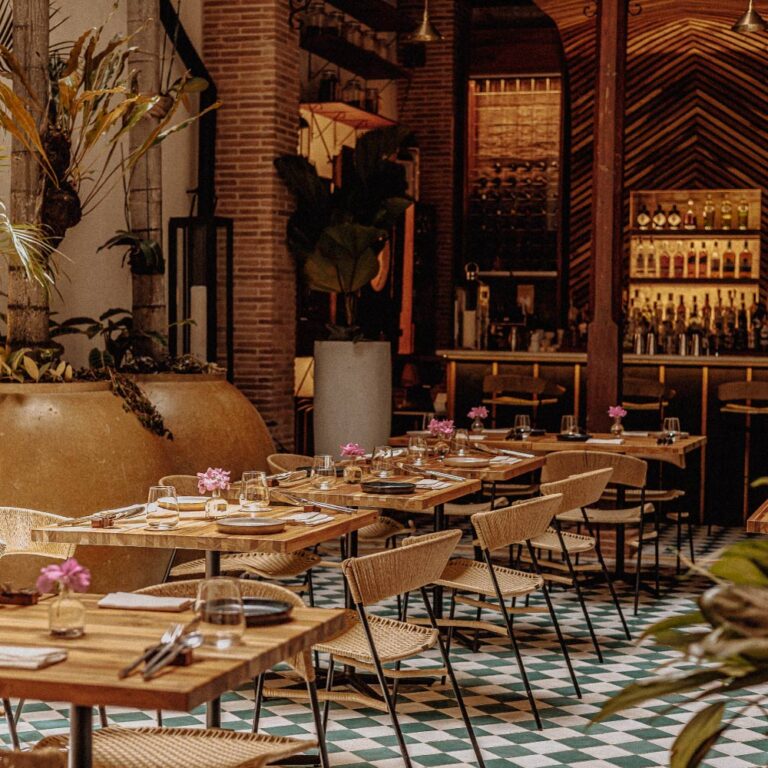
Ask a dozen people what makes a great restaurant in Casco Viejo and half of them will describe the food before they describe the room. That is a mistake worth correcting, because in this particular neighborhood, the setting is doing at least as much work as the kitchen. Colonial architecture left behind a stock of rooftops, interior courtyards, and street-level patios that no modern district in Panama City can replicate, and the restaurants that use that architecture well tend to outperform ones that treat it as an afterthought.

Rooftop dining in Casco Viejo comes in two distinct forms, and conflating them leads to disappointment. The first is the bay-facing rooftop, typically found on buildings along the western edge of the peninsula, looking out toward Punta Pacifica’s modern skyline across the water. These spaces are built for sunset, and reservations for that window fill quickly during dry season, from roughly December through April, when clear skies are close to guaranteed. The second type faces inward, toward the district’s rooftops and church towers rather than open water, offering a quieter, more architectural view that rewards a slower dinner rather than a golden-hour photo.
Courtyard dining, by contrast, is almost entirely an interior experience, built around the Spanish colonial tradition of enclosing outdoor space within a building’s four walls rather than exposing it to the street. Many of Casco Viejo’s restaurants occupy structures that originally served as private residences, and the courtyards left behind, often with original tile, mature plants, and sometimes a working fountain, create an atmosphere that feels both outdoor and sheltered at once. These spaces tend to handle the rainy season, from May through November, far better than open rooftops do, since afternoon showers rarely reach a fully enclosed courtyard.
Kaandela’s own layout leans into this second category more than the first. Rather than chasing a bay view, the restaurant is built around a covered outdoor section that gives guests the feeling of dining outside without the exposure risk that comes with a fully open rooftop. Combined with wood-fired cooking, this setup was designed deliberately: live-fire kitchens benefit from ventilation, and a courtyard-style layout provides that airflow while still shielding the dining room from sudden weather changes, a genuinely practical consideration in a tropical climate.
Hidden patios are the third, least advertised category, and often the hardest to find without local knowledge or a direct recommendation. These are small outdoor spaces tucked behind unmarked doors or down side alleys, rarely visible from the main tourist routes through the district. They tend to belong to smaller, less internationally known restaurants, and they reward visitors willing to wander a block or two off the primary plazas rather than sticking to the most photographed streets.
Choosing among these three settings should depend on what the evening is actually for. A first dinner in Casco Viejo, especially one meant to capture the neighborhood’s character in a single sitting, benefits from a bay-facing rooftop at sunset, since few experiences summarize the district’s appeal as efficiently as that view. A longer, more relaxed dinner, particularly during rainy season or with a larger group, is often better served by a courtyard, where weather and noise are both easier to control. Hidden patios suit a different mood entirely: a quiet, low-key evening for people who already know the neighborhood and are looking for something a little more private.
One detail worth planning around: courtyard and covered restaurants like Kaandela tend to hold their ambiance consistently regardless of season, while rooftop venues vary dramatically between the dry months and the rainy ones. A rooftop booked in July without checking the forecast carries real risk of a rain delay or a rushed relocation indoors, whereas a courtyard dinner delivers roughly the same experience in January as it does in September. For visitors planning a trip around a specific kind of evening rather than a specific restaurant name, that seasonal reliability is worth weighing before the reservation is made.
Light plays a bigger role in these decisions than most guests consider before booking. Bay-facing rooftops deliver their best moment in a narrow window, roughly thirty minutes around sunset, after which the view fades into darkness and the space functions like any other open-air terrace. Courtyards, lit deliberately with string lights, lanterns, or candlelight rather than depending on natural light, hold their atmosphere steadily across an entire evening, which makes them a more forgiving choice for a dinner that might run long or start later than planned. Anyone booking a rooftop specifically for the view should confirm the actual sunset time for the date in question, since it shifts meaningfully between the dry and rainy seasons.
Noise travels differently across these three settings as well. Open rooftops, especially those shared with an adjacent bar or lounge area, tend to carry sound from neighboring tables and street level more than a fully enclosed courtyard does. For a conversation-heavy dinner, whether a business discussion or simply a group that wants to hear each other clearly, a courtyard’s enclosed walls do more to contain and soften noise than an open-air rooftop ever can, regardless of how good the view happens to be.
Booking strategy differs slightly across these three settings too. Rooftop tables tied to a specific sunset window are worth requesting several days ahead, since only a handful of tables typically have the unobstructed view that makes the reservation worth the effort. Courtyard seating is generally more forgiving, since the experience holds up well across a wider range of times, and hidden patios, being lesser-known, often have the most last-minute availability of the three, rewarding visitors willing to ask locally rather than relying purely on an online booking system.