
Discovering the best time to visit Panama requires understanding the rhythm of this tropical paradise, where ancient cobblestone streets meet Caribbean breezes and Pacific sunsets paint the sky in spectacular hues. Whether you’re drawn by the legendary Carnival celebrations, the sophisticated Jazz Festival, or simply the allure of exploring one of Latin America’s most captivating historic quarters, timing your visit can transform a good trip into an extraordinary one.

Casco Viejo enjoys a tropical maritime climate with remarkably consistent temperatures year-round. Unlike destinations with dramatic seasonal swings, Panama City offers warmth in every season—the key variable is rainfall.
Month | Average High | Average Low | Rainfall (inches) |
|---|---|---|---|
January | 32°C (90°F) | 24°C (75°F) | 1.2 |
February | 33°C (91°F) | 24°C (75°F) | 0.6 |
March | 33°C (91°F) | 25°C (77°F) | 0.8 |
April | 32°C (90°F) | 25°C (77°F) | 3.1 |
May | 31°C (88°F) | 25°C (77°F) | 8.5 |
June | 30°C (86°F) | 24°C (75°F) | 7.8 |
July | 30°C (86°F) | 24°C (75°F) | 7.1 |
August | 30°C (86°F) | 24°C (75°F) | 7.3 |
September | 30°C (86°F) | 24°C (75°F) | 7.9 |
October | 29°C (84°F) | 24°C (75°F) | 10.2 |
November | 30°C (86°F) | 24°C (75°F) | 10.8 |
December | 31°C (88°F) | 24°C (75°F) | 4.3 |
Understanding Panama weather by month reveals two distinct seasons: the dry season (verano) from mid-December through April, and the rainy season (invierno) from May through mid-December.

January marks the heart of dry season with brilliant sunshine and minimal humidity. Crowds are moderate as post-holiday travelers arrive, but the atmosphere remains relaxed. This is arguably the best time to travel to Panama City for first-time visitors seeking guaranteed good weather. Rooftop terraces throughout Casco Viejo come alive with evening gatherings, and walking tours are comfortable throughout the day.
February brings Panama’s most explosive celebration—Carnival. The streets of Casco Viejo transform into a pulsating celebration of music, dancing, and elaborate costumes. While accommodation prices peak and crowds swell, the energy is absolutely infectious. Book well in advance if you’re planning a February visit.
Often considered the sweet spot of the dry season, March offers excellent weather with slightly smaller crowds than February. The Panama Jazz Festival typically occurs in mid-to-late January, but the musical energy lingers into March with numerous local performances. This month provides optimal conditions for photography enthusiasts hoping to capture Casco Viejo’s architectural splendor.
April straddles seasons, with the first brief afternoon showers appearing toward month’s end. Semana Santa (Holy Week) brings religious processions through Casco Viejo’s historic streets—a deeply moving cultural experience. Hotel rates begin softening as the dry season concludes.
The rainy season commences, typically bringing afternoon thunderstorms that clear within hours. Mornings remain gloriously sunny, and the city takes on a lush, verdant character. Tourist crowds thin considerably, and savvy travelers find exceptional value. This marks the beginning of the shoulder season.
These months settle into a predictable pattern: sunny mornings, brief afternoon downpours, and pleasant evenings. The veranillo de San Juan (little summer of St. John) often brings a dry spell in late June and early July. Crowd levels drop significantly, restaurant reservations become easier, and the pace of life in Casco Viejo feels authentically local.
October typically sees the heaviest rainfall, though showers rarely last more than two hours. These months offer the lowest prices of the year and an almost meditative tranquility in Casco Viejo. The historic quarter’s colonial architecture glistens after rain, creating stunning photo opportunities.
November transforms Panama into a patriotic celebration. Independence Day festivities on November 3rd, followed by additional celebrations on November 10th and 28th, fill the streets with parades, music, and national pride. This is a fascinating time to experience Panamanian culture, though the rainy season continues.
Mid-December marks the return of dry weather and the beginning of holiday festivities. Christmas decorations adorn Casco Viejo’s plazas, and the festive atmosphere builds toward New Year’s Eve—one of Panama City’s most spectacular celebrations with fireworks illuminating the bay.

Factor | Dry Season (Dec–Apr) | Rainy Season (May–Nov) |
|---|---|---|
Weather | Consistent sunshine, low humidity | Morning sun, afternoon showers |
Crowds | Higher, especially Jan–Mar | Significantly lower |
Prices | Peak rates | 20-40% discounts common |
Photography | Harsh midday light | Dramatic clouds, golden light |
Walking Tours | Comfortable all day | Best scheduled for mornings |
Rooftop Dining | Reliable evening weather | May require covered options |
Local Atmosphere | More tourists | More authentic feel |
The dry season delivers reliability. You can plan outdoor activities with confidence, rooftop experiences are uninterrupted, and the festive atmosphere during Carnival and Jazz Festival is unmatched. For travelers with limited vacation time who cannot risk weather disruptions, December through April represents the safest choice.
Experienced travelers often prefer the green season. Prices drop substantially, crowds vanish, and the afternoon rain showers actually cool the city pleasantly. The mornings remain perfect for exploration, and there’s something magical about watching a tropical storm roll across the Panama Bay from a covered terrace.
Panama Jazz Festival (January): World-class musicians perform throughout the city, with Casco Viejo hosting intimate venues and outdoor stages.
Carnival (February/March): Four days of parades, water trucks (culecos), and celebration preceding Lent. Dates vary annually based on Easter.
Semana Santa (March/April): Religious processions wind through Casco Viejo’s colonial streets, offering profound cultural immersion.
Independence Month (November): Three independence celebrations create weeks of patriotic festivities, parades, and cultural events.
The true insider’s secret for finding the best time to visit Panama lies in the shoulder seasons: late April through early May and late November through early December. These transition periods offer the advantages of both seasons—reasonable weather with significant savings.
Late April provides dry season remnants at rainy season prices. Late November sees the rains tapering while holiday crowds haven’t yet arrived. Savvy travelers can secure premium accommodations at 25-35% below peak rates during these windows.
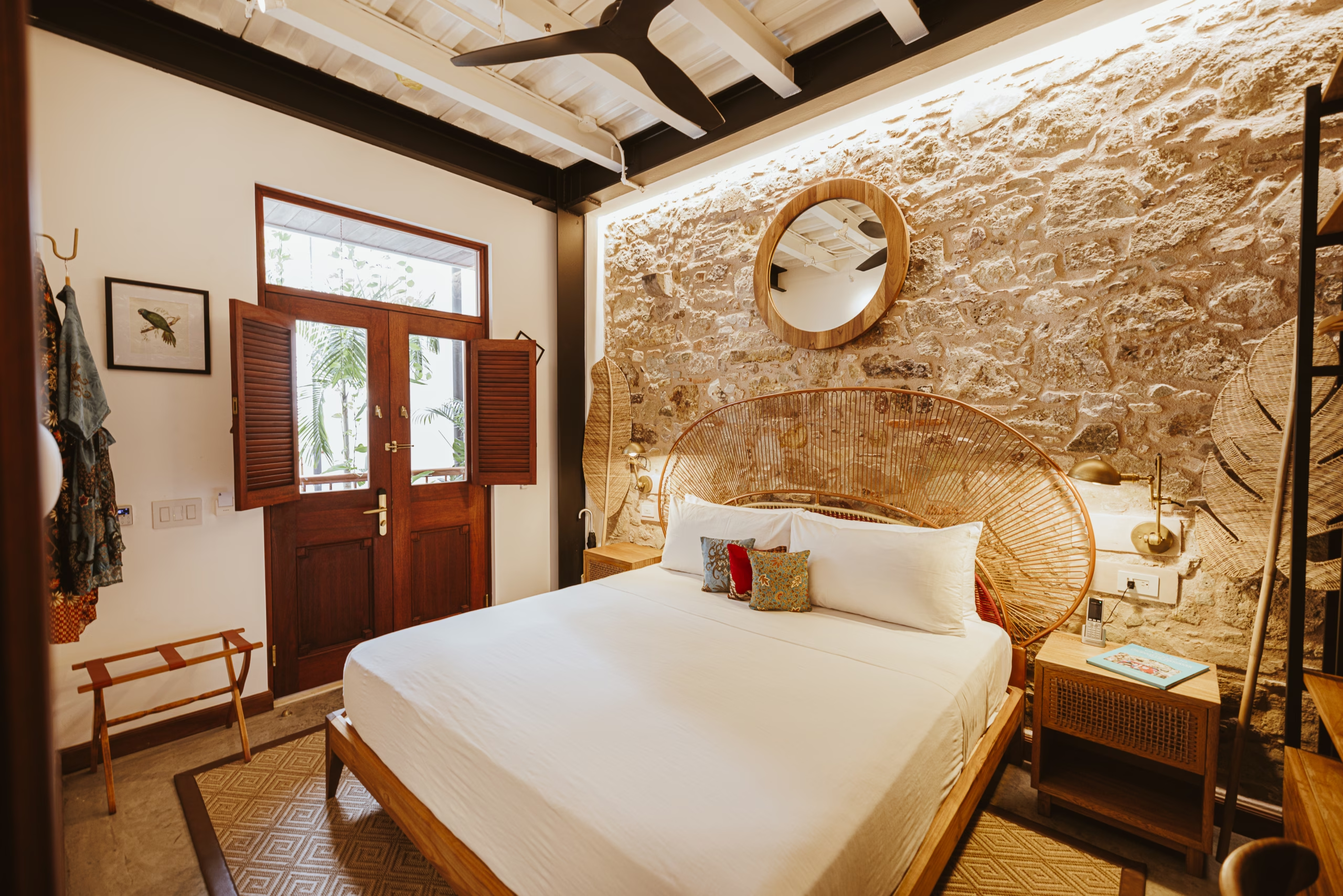
Amarla’s position in the heart of Casco Viejo makes it an ideal base regardless of when you visit. During dry season, Amarla’s rooftop terrace offers unobstructed sunset views over Panama Bay—perfect for evening cocktails after a day of exploration. The boutique hotel’s intimate scale means even during peak Carnival season, guests enjoy a refined retreat from the street festivities.
In the rainy season, Amarla’s thoughtfully designed spaces become havens during afternoon showers. Guests can retreat to beautifully appointed rooms or common areas, watching the tropical rain transform the historic quarter. The hotel’s concierge team expertly schedules activities around weather patterns, ensuring morning tours capture the best light and leaving afternoons for spa treatments or leisurely lunches.
Amarla’s culinary offerings adapt seasonally as well, with rainy season menus featuring warming dishes and dry season focusing on lighter, refreshing fare. The hotel’s partnerships with local guides mean exclusive access to Casco Viejo experiences year-round, from private Jazz Festival performances to behind-the-scenes Carnival preparation tours.
For guaranteed sunshine and major festivals, visit January through March. For value and authenticity, consider June through August. For the perfect balance, target the shoulder seasons of late April or late November. Ultimately, Casco Viejo rewards visitors in every season—the historic quarter’s magic transcends weather patterns, offering year-round enchantment for those who seek it.