
Panama City, Panama Restaurants: What Makes the Best Ones Stand Out
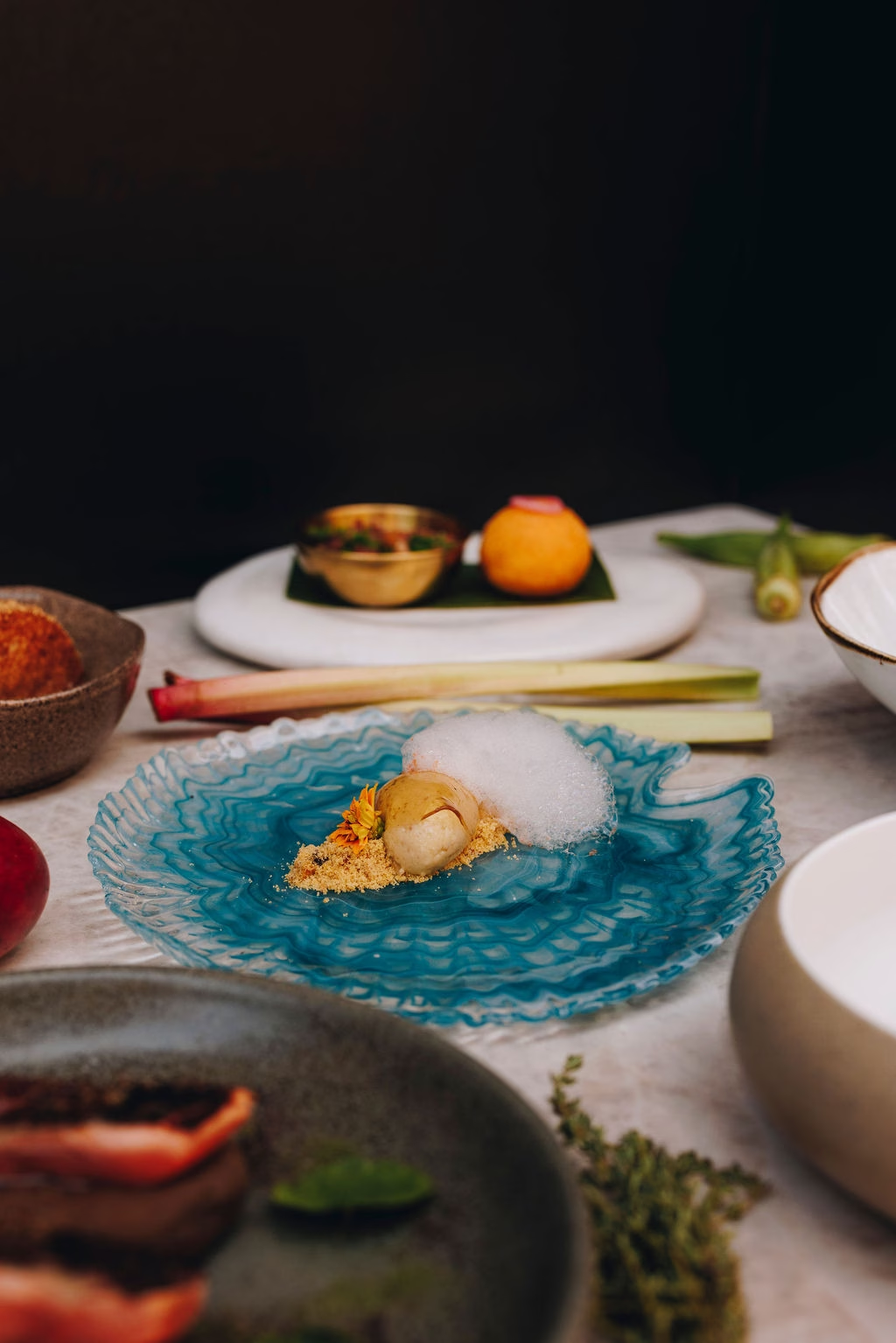
Lists of Panama City's best restaurants tend to answer the wrong question. They tell you where to go, but rarely why that place earned its reputation in the first place, which leaves diners unable to judge a new or unfamiliar restaurant on their own. A more useful approach is to understand the actual criteria that separate an excellent Panama City restaurant from a merely adequate one, so that judgment travels with you even outside of any specific list.

Ingredient sourcing is the clearest dividing line, and it is more visible in Panama than in many countries because the gap between what is available locally and what is imported is unusually wide. Panama’s geography, sitting between two oceans with a tropical interior, produces genuinely exceptional seafood, tropical fruit, and root vegetables. Restaurants that build menus around these local ingredients, working directly with fishermen and small producers, tend to serve food with more character than kitchens relying on standardized international supply chains. Kaandela’s farm-to-fire approach is built specifically around this distinction, treating Panamanian sourcing as the foundation of the menu rather than a marketing detail added afterward.
Technique is the second marker, and in Panama City it often shows up as a choice between imported cooking styles and techniques rooted in the region. Wood-fired cooking, in particular, has a long history in Panamanian and broader Latin American cuisine, and kitchens that commit fully to live fire, rather than using it as a garnish on an otherwise conventional menu, tend to produce more distinctive results. This kind of cooking is also less forgiving: it requires real skill to manage heat and timing consistently, which naturally filters out restaurants unwilling to invest in that expertise.
Menu discipline is a quieter but equally important signal. Restaurants trying to serve everything, from sushi to pasta to traditional Panamanian dishes, on a single menu are rarely excellent at all of it simultaneously. The best restaurants in Panama City tend to narrow their focus, choosing a specific culinary point of view and executing it with depth rather than spreading a kitchen’s attention across an unfocused, overly long menu. A shorter menu, done with real intention, is consistently a better predictor of quality than a long one built to appeal to everyone.
Service style matters just as much as what arrives on the plate, and Panama City’s better restaurants have generally moved past the two extremes of overly formal, scripted service and overly casual indifference. What distinguishes the top tier is staff who understand the menu well enough to talk about where a specific fish was caught or why a particular cut of meat spends hours over open flame, turning a meal into something closer to an explained experience than a transaction. That level of staff knowledge is hard to fake and tends to correlate strongly with kitchens that actually care about their sourcing and technique.
Consistency across visits, and across a full evening rather than just a single standout dish, separates restaurants worth a special trip from ones worth a single visit. It is common for a kitchen to produce one exceptional plate surrounded by several forgettable ones. The restaurants that earn a lasting reputation in Panama City tend to hold quality across the entire menu, meal after meal, which requires more disciplined kitchen management than a single impressive dish ever does.
Setting, finally, plays a role that is specific to Panama City’s particular geography. A restaurant in Casco Viejo carries centuries of architectural history that no amount of interior design budget in a newer district can replicate, and the best kitchens in the old town understand that the setting raises expectations rather than lowering the bar for the food. Restaurants that pair a distinctive setting with equally serious cooking, rather than coasting on ambiance alone, are the ones that hold up to repeated scrutiny rather than a single impressed first visit.
Taken together, these criteria, sourcing, technique, menu discipline, service, consistency, and setting, offer a far more durable way to judge Panama City’s restaurants than any single ranked list. A diner who understands these markers can walk into an unfamiliar restaurant anywhere in the city and form a reasonably accurate judgment within the first twenty minutes, which is a more useful skill than memorizing which name currently sits at the top of a “best restaurants” article.
Transparency about sourcing has become a meaningful differentiator on its own, separate from the quality of the sourcing itself. Restaurants willing to name the specific fishing community a catch came from, or the specific farm supplying a particular vegetable, signal a level of confidence in their supply chain that vaguer menus rarely match. This transparency also gives diners a way to evaluate a restaurant’s claims rather than simply trusting them, since a kitchen that can speak specifically about where an ingredient originated is far more likely to have an actual relationship with that source than one relying on generic language like “locally sourced” without further detail.
Adaptability across seasons is a final, less visible marker worth naming. Panama’s growing seasons and fishing patterns shift throughout the year, and restaurants genuinely committed to local sourcing have to adjust their menus accordingly rather than serving an identical dish in July and January regardless of what is actually available. A menu that changes meaningfully with the seasons, even in small ways, is usually a more reliable signal of real sourcing discipline than a fixed menu that never varies, since true dependence on local producers naturally introduces some seasonal variation into what a kitchen can serve.