
Best Restaurants in Casco Viejo, Panama City: A Planning Guide
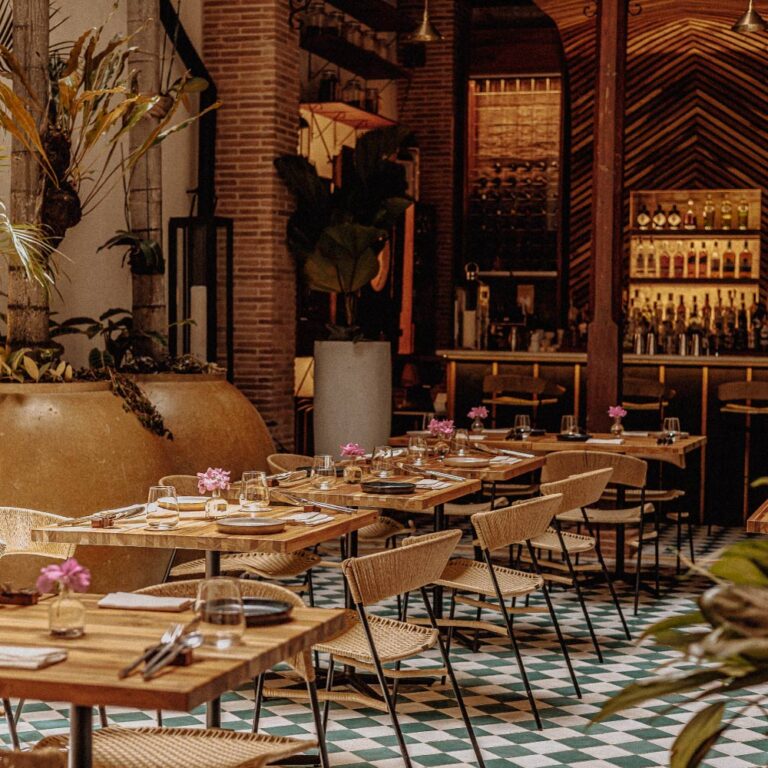
Most articles about the best restaurants in Casco Viejo focus entirely on what to order. Fewer address the logistics that determine whether the evening goes smoothly in the first place: how far in advance to book, what time the neighborhood actually gets moving, what to wear, and how to get there and back without complications. Those details matter more in Casco Viejo than in most parts of Panama City, because the district's narrow colonial streets and limited vehicle access change the practical experience of a night out in ways a modern neighborhood does not.

Start with timing. Casco Viejo runs on a later schedule than its reputation as a historic, sleepy district might suggest. Restaurants generally open for dinner around 6:30 or 7 p.m., but the neighborhood does not reach its real evening rhythm until closer to 8:30, particularly on Friday and Saturday. Arriving right at opening often means a nearly empty dining room and a kitchen still finding its pace; arriving at 9 means walking into a fully seated restaurant with a genuine buzz. Neither is wrong, but they are different evenings, and it is worth deciding which one you want before you book.
Reservations are close to mandatory at the district’s most established restaurants once the weekend arrives. Casco Viejo has a limited number of tables relative to its popularity, spread across small colonial buildings rather than large modern dining rooms, and that physical constraint does not expand no matter how much demand grows. Booking two to three days ahead is a safe minimum for a Friday or Saturday dinner; for a table at a specific time, particularly a sunset slot on a rooftop, a week’s notice is not excessive.
Dress code across the district skews toward smart casual rather than formal, and Kaandela follows that same standard. The climate makes heavier formal wear impractical for most of the year, and the neighborhood’s own character, restored but still visibly historic rather than polished and corporate, sets an expectation that guests dress comfortably rather than stiffly. Collared shirts and dresses are common; suits and evening gowns are rare outside of weddings and formal private events hosted at venues like Amarla.
Getting around Casco Viejo deserves its own planning, since the district’s colonial layout was never built for cars. Many interior streets are pedestrian-only or heavily restricted, and rideshare drivers often need to drop passengers at the edge of the peninsula rather than directly outside a restaurant door. Visitors staying inside the old town can walk to most dinners in under ten minutes; those coming from other neighborhoods should budget extra time for the walk from wherever a car can actually stop, plus the twenty to forty minutes it typically takes to cross the city depending on traffic.
Weather planning belongs in this same practical category. Between May and November, afternoon rain is common enough that it should factor into any outdoor dining plan, and reservations at open-air rooftops carry more risk during these months than reservations at covered spaces. Kaandela’s mix of indoor and covered outdoor seating removes much of that uncertainty, letting guests commit to a reservation without checking the forecast obsessively beforehand.
Payment and pricing are worth a brief mention as well. Most established restaurants in the district accept major credit cards without issue, though smaller, more informal spots may prefer cash, particularly for smaller bills. Prices in Casco Viejo’s better-known restaurants run noticeably higher than in the city’s residential neighborhoods, a reflection of both the ingredient sourcing many kitchens rely on and the premium the setting itself commands. Visitors expecting neighborhood-restaurant prices inside a UNESCO World Heritage district are usually surprised, though rarely disappointed once the meal itself arrives.
None of this logistics-focused planning replaces the actual decision of where to eat, but it removes the friction that otherwise turns a promising choice into a frustrating evening. Book ahead, plan around the district’s later rhythm, dress comfortably, budget real time for getting in and out, and keep the season in mind when choosing between an open rooftop and a covered dining room. With those pieces handled, Casco Viejo delivers on its reputation more consistently than almost anywhere else in the city.
Group size changes the planning calculus in ways worth flagging separately. Tables for two or four are the easiest reservation to secure across most of Casco Viejo’s restaurants, since standard seating arrangements accommodate them without special planning. Larger parties, six or more, should expect to book further ahead and confirm seating configuration directly, since many of the district’s dining rooms occupy converted colonial spaces with genuine physical limits on how tables can be combined or rearranged. A large group arriving without confirming capacity in advance risks being split across separate tables or turned away entirely on a busy night.
First-time visitors sometimes assume that a historic, tourist-friendly district will be more forgiving of last-minute changes than it actually is. Cancellations and no-shows are taken seriously at the district’s better-known restaurants precisely because table turnover is limited by the small size of most dining rooms, and a held reservation that goes unused represents real lost revenue for a kitchen that cannot simply seat another walk-in party in its place. Confirming or canceling a reservation as soon as plans change is both a courtesy and, increasingly, a practical necessity in a neighborhood this popular.